Skip to content

Smile lines often start as a subtle part of expression. Over time, they can become more defined, creating deeper folds that stay visible even when the face is relaxed. For many people, this shift changes how their skin looks day to day, especially in photos or certain lighting.
Modern Smile Lines Solutions focus on restoring balance rather than masking expression. Injectable treatments offer a way to soften these folds while maintaining natural movement and facial character.
Understanding Smile Lines and How They Form
Smile lines, commonly called nasolabial folds, extend from the sides of the nose toward the corners of the mouth. They develop through a combination of structural and external factors.
As collagen levels decline, the skin becomes thinner and less resilient. At the same time, facial fat pads shift downward, which reduces support in the mid-face. Repeated expressions contribute to the folding pattern, gradually making the lines more noticeable.
Sun exposure and environmental stressors can also accelerate these changes, especially when the skin is not protected consistently.
Why Topical Products Often Fall Short
Skincare plays an important role in maintaining skin health. However, it has limitations when it comes to deeper folds. Creams and serums primarily affect the surface of the skin, improving hydration and texture.
Smile lines, however, are influenced by volume loss and structural changes beneath the skin. This is why many people begin exploring wrinkles and lines Treatments that go beyond topical care.
Injectables address the underlying causes, allowing for more visible and targeted improvement.
Dermal Fillers and Volume Restoration
Dermal fillers are widely used to soften smile lines by restoring lost volume. Most are formulated with hyaluronic acid, a substance naturally present in the skin that helps retain moisture and support structure.
Rather than placing filler directly into the fold alone, providers often focus on the cheeks or mid-face. This approach fits the surrounding tissue and reduces both the depth of the lines in a way that appears balanced.
Results are typically noticeable soon after treatment. The skin looks smoother, and the transition between facial features appears softer without altering natural expression.
Treatment longevity varies depending on the product and individual metabolism, but many people see results that last several months to over a year.
Neuromodulators and Their Role in Smoothing Lines
While fillers address volume, neuromodulators work differently. These injectables temporarily relax targeted facial muscles that contribute to repeated folding of the skin.
This mechanism helps smooth wrinkles by reducing the intensity of muscle contractions. Over time, less movement in these areas can prevent lines from becoming more pronounced.
Neuromodulators are often used in combination with fillers for a more comprehensive approach. This combination allows providers to address both movement and volume, creating a softer and more refreshed appearance.
They are also commonly administered around the forehead, eyes, and between the brows. However, they can also support overall facial harmony when incorporated into a broader treatment plan.
Biostimulatory Options for Gradual Improvement
Some injectable treatments focus on encouraging the body’s natural collagen production. These are often referred to as biostimulatory injectables.
Instead of creating immediate volumes, they work gradually by improving skin structure over time. The outcome? A firmer, more resilient skin that supports smoother contours.
This option may be ideal for patients who prefer a more gradual change or want to enhance long-term skin quality alongside other treatments.
What Results Typically Look Like
Effective treatment does not aim to remove every line. The goal is to soften depth, improve transitions, and restore a more rested appearance.
Common outcomes include:
- Softer folds along the nose and mouth, improved mid-face support, and reduced shadowing that can make lines appear deeper; A more even and refreshed look without stiffness
- Subtle improvements tend to look the most natural, especially when treatments are tailored to individual facial structure.
What to Expect During an Appointment
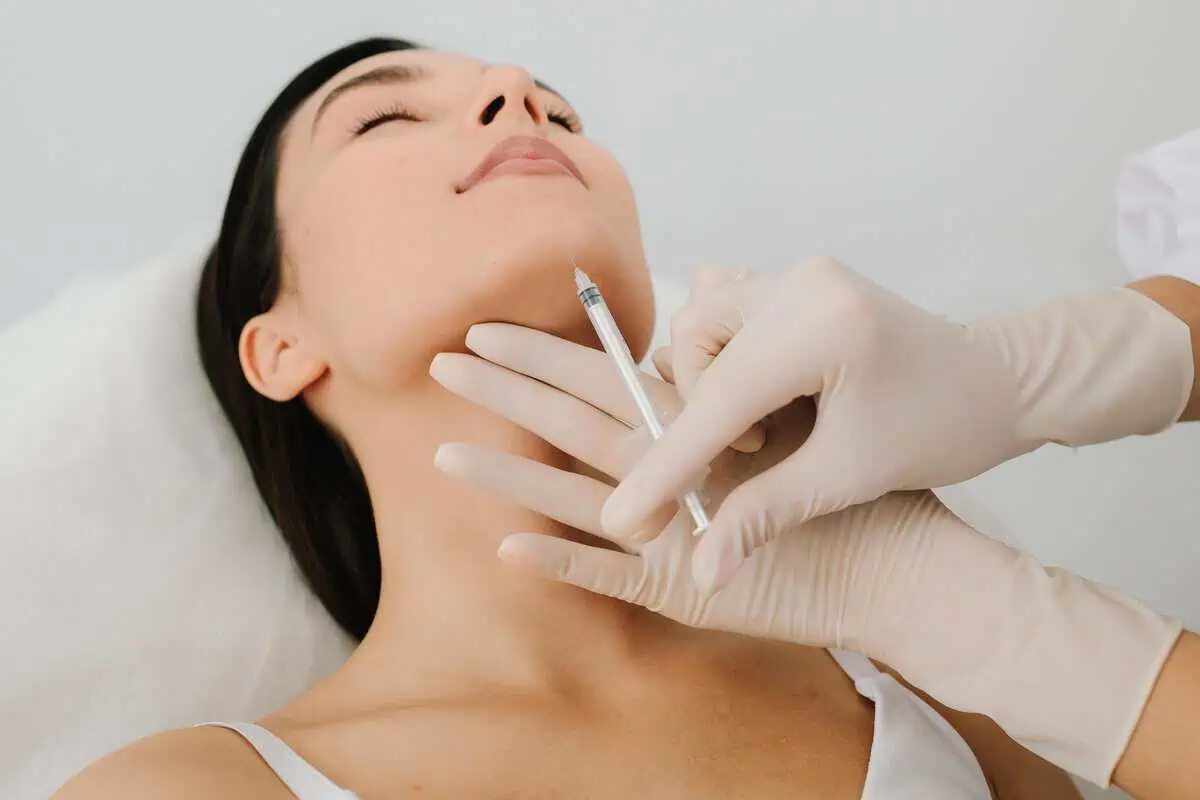
Injectable treatments are usually completed within a short visit. A consultation is the first step, where your provider evaluates your skin, facial structure, and goals.
During treatment, small amounts of product are placed in precise areas. Many formulations include a numbing agent, and additional measures can be used to enhance comfort if needed.
After the procedure, mild swelling or bruising may occur. These effects are temporary and typically resolve within a few days.
Most patients return to regular activities shortly after their appointment.
Choosing the Right Approach for Your Skin
No single treatment works the same for everyone. Factors such as skin quality, facial anatomy, and personal preferences all play a role in determining the best approach.
Some individuals benefit most from fillers alone, while others see better results through a combination of injectables. A customized plan ensures that each treatment supports the natural structure of the face rather than working against it.
GLOW 365 Neuromodulators in Wichita, KS
At GLOW 365, patients have access to advanced neuromodulators in Wichita, KS, designed to address wrinkles and fine lines with precision. Options such as Botox®, Dysport®, and Daxxify® offer different advantages depending on treatment goals.
Botox® is widely recognized for reducing dynamic wrinkles and helping prevent new lines from forming. Dysport® has a slightly faster onset and spreads more easily across treatment areas, which can be helpful when addressing broader regions. Daxxify® offers extended results that can last up to six months, making it a practical option for those seeking longer intervals between treatments.
These treatments work by relaxing the muscles responsible for repetitive movements that contribute to wrinkles. The result is smoother skin and a more refreshed appearance without restricting natural expression.
Book Injectable Treatment Today.
Frequently Asked Questions
What are smile lines?
Smile lines are creases that run from the sides of the nose to the corners of the mouth, often becoming more visible with age.
What injectable treatments help reduce smile lines?
Common options include dermal fillers and Neuromodulators, which address volume loss and muscle movement.
How long do injectable treatments for smile lines last?
Results vary, but fillers can last several months to over a year, while neuromodulators typically last three to four months.
Do injectable treatments look natural?
When performed correctly, these treatments soften lines while preserving normal facial expressions.